The Silent Indicators in Your Mouth
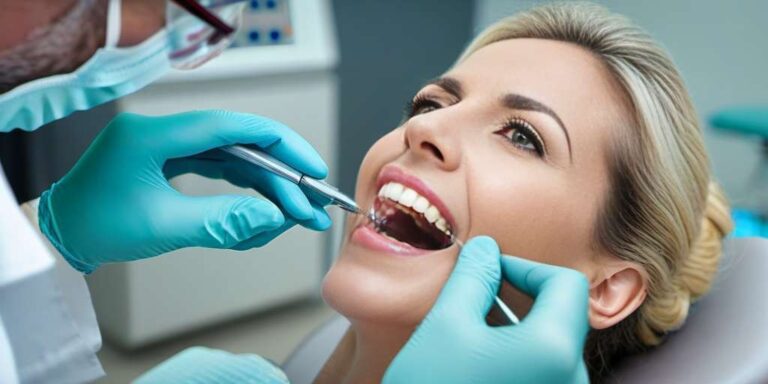
The mouth can provide valuable clues about overall health, with changes in the gums sometimes reflecting issues beyond localised dental problems. While gum recession is often linked to factors such as aggressive brushing or gum disease, unusual or uneven patterns may warrant further investigation. Regular examinations with a dentist in Tunbridge Wells can help identify changes early and determine whether further assessment is needed.
The oral cavity can respond to systemic changes in the body, making routine dental check-ups an important part of maintaining overall health. If you notice new or unexplained gum recession, discussing it with your dentist can help establish the underlying cause and appropriate treatment.
Decoding Different Recession Patterns
Localised Versus Generalised Recession
Localised gum recession typically affects one or two teeth and often results from mechanical factors such as brushing technique or tooth positioning. However, when recession appears across multiple teeth in specific zones, it warrants deeper investigation. Generalised recession affecting the entire mouth frequently correlates with systemic health conditions that compromise immune function, making it a red flag for conditions ranging from diabetes to autoimmune disorders.
Asymmetrical Patterns and Their Significance
When recession appears more pronounced on one side of the mouth, it can indicate issues beyond oral health. Asymmetrical patterns may suggest circulatory problems, as compromised blood flow affects tissue health unevenly. Similarly, recession concentrated around specific teeth might point to inflammatory conditions affecting connective tissue throughout the body, offering early warning signs that enable preventative intervention.
The Cardiovascular Connection
Perhaps one of the most significant discoveries in recent dental research involves the relationship between gum recession patterns and cardiovascular health. Studies have revealed that individuals with moderate to severe gum recession face elevated risks of heart disease, with the inflammation driving gum tissue loss often mirroring inflammatory processes affecting arterial walls.
The pattern of recession can indicate the severity and duration of inflammatory responses, providing cardiologists with additional data points when assessing patient risk. Those experiencing rapid, progressive recession across multiple teeth may benefit from cardiovascular screening, even in the absence of traditional heart disease symptoms such as chest pain or breathlessness.
Diabetes and Periodontal Tissue Changes
Diabetic patients frequently exhibit characteristic gum recession patterns that precede formal diagnosis. The compromised healing capacity and altered immune response associated with elevated blood glucose levels create an environment where gum tissue deteriorates more rapidly. Recession in diabetic individuals often presents with a distinctive appearance, featuring inflamed tissue margins and delayed healing following minor trauma.
For many patients, their dentist in Tunbridge Wells may be the first healthcare professional to notice these subtle changes. Regular dental examinations can therefore serve as an unexpected but valuable screening opportunity for metabolic disorders, particularly when recession patterns appear inconsistent with the patient’s oral hygiene habits.
Hormonal Influences on Gum Health
Hormonal fluctuations exert considerable influence over gum tissue integrity, with recession patterns often reflecting endocrine imbalances. Women experiencing menopause frequently notice accelerated gum recession, whilst those with thyroid disorders may present with characteristic tissue changes. Recent research into periodontal manifestations of systemic disease has strengthened our understanding of these connections, enabling more targeted interventions.
Early Detection Saves More Than Teeth
The value of recognising gum recession patterns extends far beyond preserving dental aesthetics. When dental professionals identify unusual recession patterns, they can facilitate referrals to appropriate specialists, potentially catching serious conditions in their earliest, most treatable stages. This integrated approach to healthcare represents a shift towards viewing dental health as inseparable from overall wellbeing.
Patients visiting their dentist in Tunbridge Wells should feel encouraged to discuss any changes in their gum tissue, even if they seem minor. What appears to be a simple cosmetic concern might actually represent the body’s early warning system signalling a need for broader health evaluation.
Taking Action for Comprehensive Health
Understanding that gum recession patterns can reveal underlying health conditions empowers both patients and practitioners to adopt a more holistic approach to healthcare. Regular dental examinations become opportunities not merely for maintaining oral health but for safeguarding overall wellbeing. By paying attention to these subtle indicators, individuals can address health concerns before they progress to symptomatic stages, ultimately improving outcomes across multiple body systems.
About the Author