June 25, 2026

Dental

The Dawn of Genetic Dentistry

The landscape of dental care is undergoing a remarkable transformation as genetic testing emerges as a powerful tool in crafting bespoke oral health strategies. Gone are the days when dentistry relied solely on reactive treatments and one-size-fits-all preventive measures. Today’s private dentist Manchester is increasingly turning to genetic insights to predict, prevent, and personalise care in ways that would have seemed like science fiction merely a decade ago. This shift represents not just an evolution in dental practice, but a complete reimagining of how oral health is approached from the ground up.

Genetic testing in dentistry involves analysing specific DNA markers that influence various aspects of oral health, from susceptibility to gum disease to the strength of tooth enamel. These tests can identify genetic variations that affect calcium metabolism, immune response, and even the composition of saliva. By understanding these underlying genetic factors, dental practitioners can now offer targeted interventions that address each patient’s unique biological predispositions. For those seeking cutting-edge care, a private dentist may offer access to these advanced diagnostic tools as part of comprehensive treatment planning.

Understanding Your Genetic Oral Health Blueprint

What Genetic Testing Reveals

The information gleaned from genetic testing provides a comprehensive blueprint of an individual’s oral health vulnerabilities and strengths. These tests examine numerous genetic markers associated with conditions such as periodontal disease, dental caries susceptibility, and even responses to certain dental materials. The insights extend beyond disease risk, revealing information about tissue healing rates, bone density in the jaw, and inflammatory responses that can affect treatment outcomes. This wealth of data empowers both patients and practitioners to make informed decisions about preventive care and treatment approaches.

The Science Behind the Saliva Sample

The process of genetic testing for dental purposes is remarkably straightforward, typically requiring nothing more than a simple saliva sample or cheek swab. This non-invasive procedure can unlock a treasure trove of information about how genetic factors influence personalised oral care strategies for each individual. Once collected, the sample undergoes sophisticated laboratory analysis where DNA is extracted and examined for specific genetic variants known to impact oral health. The results are then interpreted by dental professionals who can translate complex genetic data into actionable care plans.

Tailoring Treatment Plans to Your DNA

The practical applications of genetic testing in dentistry extend far beyond mere risk assessment. Dental professionals can now customise everything from the frequency of hygiene appointments to the specific types of preventive treatments recommended. For instance, patients with genetic markers indicating heightened susceptibility to periodontitis might benefit from more frequent deep cleanings and targeted antimicrobial therapies. Similarly, those with genetic variations affecting enamel formation may require enhanced fluoride treatments or specific dietary recommendations to strengthen their teeth. This level of personalisation ensures that resources and efforts are directed precisely where they will have the greatest impact.

Preventive Care Becomes Predictive

Perhaps the most significant advantage of incorporating genetic testing into dental care is the shift from reactive to predictive medicine. Rather than waiting for problems to manifest, practitioners can now identify potential issues years or even decades before symptoms appear. This foresight allows for the implementation of preventive strategies that can significantly alter the trajectory of a patient’s oral health. Research into personalising dental care through genetic insights continues to demonstrate the profound benefits of this proactive approach, with patients experiencing fewer dental emergencies and better long-term outcomes.

The Integration of Genetics and Modern Dental Practice

As genetic testing becomes more accessible and affordable, its integration into mainstream dental practice is accelerating. Forward-thinking dental practices are investing in training and technology to offer these services, recognising that genetics and dentistry intersect in personalised oral healthcare in increasingly meaningful ways. The data gathered through genetic testing complements traditional diagnostic methods, creating a more complete picture of each patient’s oral health status and future needs. This holistic approach represents the future of dental care, where treatment plans are as unique as the individuals receiving them.

The Future of Personalised Oral Healthcare

The revolution in personalised oral health strategies through genetic testing marks a pivotal moment in dental medicine. As research continues to uncover new genetic markers and their relationships to oral health conditions, the precision and effectiveness of personalised care will only improve. Patients now have unprecedented opportunities to take control of their oral health destiny, armed with knowledge about their genetic predispositions and supported by dental professionals equipped with cutting-edge diagnostic tools. This marriage of genetics and dentistry promises a future where oral health problems are anticipated, prevented, and managed with remarkable precision, ultimately leading to healthier smiles and improved quality of life for patients across the United Kingdom and beyond.

The Art of Subtle Transformation

The pursuit of facial harmony has captivated humanity for centuries, from ancient Greek sculptures to modern aesthetic medicine. Yet, one of the most profound transformations often begins with something as simple as straightening one’s teeth. Invisalign in Plymouth has revolutionised orthodontic treatment, offering patients a discreet pathway to not only achieving straighter teeth but also enhancing overall facial symmetry in ways that extend far beyond the smile itself.

The relationship between dental alignment and facial aesthetics runs deeper than many realise. When teeth are properly positioned, they provide crucial support to the lips, cheeks, and surrounding facial structures. This support system plays a fundamental role in maintaining facial proportions and can significantly influence one’s overall appearance. The beauty of Invisalign lies in its ability to address these concerns whilst remaining virtually invisible throughout the treatment process.

Understanding Facial Symmetry and Dental Alignment

Facial symmetry represents the balanced proportions between the left and right sides of the face, creating an aesthetically pleasing appearance that the human eye naturally finds attractive. When teeth are misaligned, crowded, or improperly positioned, they can create subtle but noticeable asymmetries that affect the entire facial structure. These imbalances may manifest as uneven lip support, altered jawline definition, or changes in the natural contours of the lower face.

Traditional orthodontic treatments, whilst effective, often present aesthetic challenges during the treatment period. Metal brackets and wires can make patients feel self-conscious, particularly adults who wish to maintain a professional appearance. Invisalign in Plymouth has become increasingly popular precisely because it addresses these concerns, allowing patients to undergo orthodontic treatment without compromising their confidence or daily interactions.

The Science Behind Invisalign’s Impact on Facial Features

Lip Support and Definition

One of the most immediate benefits of proper tooth alignment involves the enhanced support provided to the lips. When teeth are correctly positioned, they create an optimal foundation that allows the lips to rest naturally and maintain their proper shape. This improved support can lead to a more defined lip line and better overall facial balance.

Jawline Enhancement

The positioning of teeth directly influences jaw alignment and function. Research on how Invisalign affects facial structure demonstrates that correcting dental misalignments can lead to improved jaw positioning, which in turn enhances the definition and symmetry of the jawline. This effect is particularly noticeable in patients who have experienced jaw shifting due to prolonged dental misalignment.

Cheek Contour and Facial Volume

Properly aligned teeth contribute to optimal cheek support, helping to maintain natural facial volume and contours. When teeth are crowded or positioned incorrectly, they may not provide adequate support to the surrounding soft tissues. This can result in a sunken appearance or asymmetrical cheek contours. Invisalign treatment gradually repositions teeth to their ideal locations, restoring proper support and enhancing natural facial curves.

Long-term Benefits Beyond Aesthetics

Whilst the aesthetic improvements are often the most immediately noticeable benefits, the impact of enhanced facial symmetry extends well beyond appearance. Proper dental alignment achieved through Invisalign treatment can improve speech clarity, reduce jaw tension, and promote better overall oral health. These functional improvements contribute to increased confidence and quality of life for patients who choose this innovative treatment approach.

The psychological benefits of improved facial symmetry should not be underestimated. When individuals feel more confident about their appearance, it often translates into improved social interactions, professional opportunities, and overall life satisfaction. Studies examining facial changes with Invisalign treatment have documented these positive psychological outcomes alongside the physical improvements.

Considerations for Optimal Results

Achieving the best possible outcomes with Invisalign requires careful planning and patient compliance. The treatment’s success depends largely on wearing the aligners for the recommended duration each day and following the prescribed treatment timeline. Patients who maintain consistent wear schedules typically experience more predictable and satisfying results in terms of both dental alignment and facial symmetry enhancement.

Regular monitoring throughout the treatment process ensures that teeth are moving according to plan and allows for adjustments when necessary. Professional insights on Invisalign’s influence on facial appearance emphasise the importance of working with experienced practitioners who understand the intricate relationship between dental positioning and facial aesthetics.

Embracing a Balanced Future

The journey towards enhanced facial symmetry through Invisalign represents more than just orthodontic treatment; it embodies a holistic approach to facial aesthetics that respects both form and function. As technology continues to advance and treatment protocols become increasingly sophisticated, patients can look forward to even more precise and predictable outcomes. The investment in Invisalign treatment ultimately pays dividends in improved confidence, enhanced facial harmony, and a lifetime of benefits that extend far beyond the treatment period itself.

The Digital Revolution in Dental Practice Promotion

In today’s rapidly evolving technological landscape, dental marketing strategies are undergoing significant transformation. QR codes have emerged as powerful tools that bridge the gap between traditional and digital advertising methods, offering dental practices innovative ways to connect with their patients.

Understanding QR Codes in Healthcare Communication

QR codes, or Quick Response codes, are two-dimensional barcodes that can store vast amounts of information and be easily scanned using smartphones. These versatile tools have become increasingly prevalent in healthcare settings, revolutionising patient engagement and information sharing in dental practices.

Key Applications in Dental Practice

Modern dental practices are discovering numerous applications for QR codes in their communication strategies. These applications include:

  • Patient registration and form completion
  • Access to educational materials and post-treatment care instructions
  • Direct booking system links
  • Patient feedback collection
  • Social media integration

Enhanced Patient Experience Through Digital Innovation

The implementation of QR codes in dental marketing strategies has transformed how practices interact with their patients. Modern dental practices are witnessing improved patient engagement through QR code implementation, particularly in waiting rooms and reception areas where patients can easily access information about services and oral health education.

Streamlined Information Access

QR codes simplify the process of accessing detailed information about dental procedures and services. Patients can quickly scan codes to learn about:

  1. Treatment options and procedures
  2. Aftercare instructions
  3. Practice policies and protocols
  4. Operating hours and contact information
  5. Patient testimonials and practice updates

This technological integration represents a significant advancement in dental marketing, allowing practices to provide instant, accessible information while maintaining professional standards and patient confidentiality.

Interactive Patient Education Opportunities

The integration of QR codes creates unique opportunities for patient education and engagement. When strategically placed throughout a dental practice, these codes can provide instant access to educational videos, detailed procedure explanations, and oral health maintenance guides. This approach to dental marketing enhances the patient experience while demonstrating a practice’s commitment to technological advancement.

Measuring Marketing Success

One of the most valuable aspects of QR code implementation is the ability to track engagement metrics. Dental practices can monitor:

  • Scan rates and peak usage times
  • Most accessed content types
  • Patient interaction patterns
  • Marketing campaign effectiveness

Environmental Benefits and Cost Efficiency

The adoption of QR codes in dental marketing strategies also supports environmental sustainability efforts. By reducing the need for printed materials, practices can:

  1. Minimise paper waste
  2. Reduce printing costs
  3. Update information instantly
  4. Maintain accurate, current content

Future Developments and Possibilities

As technology continues to evolve, the potential applications of QR codes in dental practice management are expanding rapidly. Emerging trends indicate integration with:

  • Virtual consultation scheduling
  • Treatment plan visualisation
  • Patient loyalty programmes
  • Interactive feedback systems

Moving Forward with Digital Innovation

The incorporation of QR codes represents a significant step forward in modernising dental marketing approaches. By embracing these digital tools, dental practices can create more engaging, efficient, and environmentally conscious patient communications whilst maintaining professional standards and enhancing the overall patient experience. As the healthcare sector continues to evolve, the strategic implementation of QR codes offers dental practices a practical and forward-thinking solution to meet the growing expectations of digitally-savvy patients. This technology not only streamlines administrative processes but also demonstrates a practice’s commitment to innovation and patient-centred care.

Any surgical or invasive procedure carries risks. Before proceeding you should seek a second opinion from an appropriately qualified health practitioner.

Understanding Modern Dental Enhancement

Dental aesthetics and oral health have become increasingly interconnected in modern dentistry. As more individuals seek both functional and cosmetic improvements to their smiles, composite bonding London treatments have emerged as a revolutionary solution that addresses multiple dental concerns simultaneously.

The Science Behind Composite Bonding

Composite bonding represents a significant advancement in dental technology, utilising tooth-coloured resin materials that adhere directly to the tooth surface. This innovative procedure has transformed the landscape of cosmetic dentistry, offering remarkable improvements in both dental aesthetics and structural integrity.

Key Components of Dental Composites

The materials used in composite bonding consist of several essential elements:

  • Resin matrix
  • Inorganic filler particles
  • Coupling agents
  • Colour pigments

These components work together to create a durable, natural-looking solution that strengthens teeth while enhancing their appearance.

Protective Benefits for Dental Health

When considering composite bonding treatments, many individuals focus primarily on the aesthetic advantages. However, the procedure offers numerous protective benefits for oral health. Understanding the relationship between composite bonding and periodontal health is crucial for those considering this treatment option.

Strengthening Dental Structure

The application of composite materials helps reinforce weakened teeth, providing:

  • Enhanced structural support
  • Protection against further wear
  • Improved bite distribution
  • Reduced sensitivity in affected areas

These benefits contribute significantly to long-term oral health maintenance and prevent further deterioration of natural tooth structure. Dental bonding proves particularly effective in addressing chipped or damaged teeth, offering both immediate and lasting protection.

Long-term Effects on Dental Wellness

The durability of composite bonding materials plays a crucial role in maintaining oral health over time. When properly maintained, these restorations can protect teeth from various forms of damage whilst preserving the natural tooth structure beneath.

Maintenance Requirements

To ensure optimal results from composite bonding treatments, patients should follow specific care guidelines:

  • Regular dental check-ups every six months
  • Careful attention to oral hygiene practices
  • Avoidance of staining substances
  • Protection during high-impact activities

Impact on Daily Oral Function

Beyond the immediate aesthetic improvements, composite bonding contributes significantly to enhanced oral function. Patients often report improved ability to bite, chew, and speak following treatment. This functional enhancement stems from the restoration of proper tooth structure and alignment.

By rebuilding worn, chipped, or misshapen teeth, composite bonding helps re-establish correct occlusion (bite) and tooth-to-tooth contact. This not only distributes chewing forces more evenly across the dental arch but also reduces strain on surrounding teeth, muscles, and joints—potentially alleviating issues such as jaw discomfort or tension headaches associated with a misaligned bite.

Furthermore, restoring natural tooth contours supports more effective speech articulation, particularly in cases where gaps or irregular shapes had previously affected pronunciation. Even minor adjustments in tooth position or length can have a noticeable impact on clarity of speech, contributing to a more confident and comfortable daily experience.

Composite bonding also plays a preventive role in maintaining long-term oral health. By closing small gaps and smoothing rough surfaces, it reduces areas where food particles and plaque might accumulate, making oral hygiene easier and more effective. In some cases, it can even serve as a protective barrier for enamel in patients experiencing minor erosion or sensitivity.

Ultimately, the functional benefits of composite bonding go hand in hand with its cosmetic appeal. When carefully planned and executed, the treatment restores harmony not just to the smile’s appearance, but to its role in essential daily activities—allowing patients to eat, speak, and smile with renewed comfort and confidence. This dual impact—enhancing both form and function—makes composite bonding a truly versatile solution in modern dentistry.

Psychological Benefits

The positive impact of composite bonding extends beyond physical improvements. Many patients experience:

  • Increased confidence in social situations
  • Better self-image during professional interactions
  • Reduced anxiety about dental appearance
  • Greater willingness to smile and engage with others

Future Developments in Dental Care

As dental technology continues to advance, composite bonding techniques and materials are expected to evolve further. These developments will likely focus on:

  1. Enhanced material durability
  2. Improved colour matching capabilities
  3. More efficient application methods
  4. Extended longevity of results

Moving Forward with Dental Enhancement

The role of composite bonding in modern dentistry continues to expand, offering patients a versatile solution for various dental concerns. As awareness grows about the connection between oral aesthetics and overall wellbeing, composite bonding practitioners remain at the forefront of delivering these innovative treatments. The procedure’s ability to combine cosmetic enhancement with structural improvement makes it an invaluable option in contemporary dental care, ensuring that patients can achieve both the smile they desire and the oral health they need.

The Evolution of Dental Alignment

The landscape of orthodontic treatment has undergone a remarkable transformation in recent years, with innovative solutions revolutionising the way people achieve their perfect smile. For those seeking Invisalign in Canary Wharf, the journey towards dental perfection has never been more sophisticated or convenient.

Understanding Clear Aligner Technology

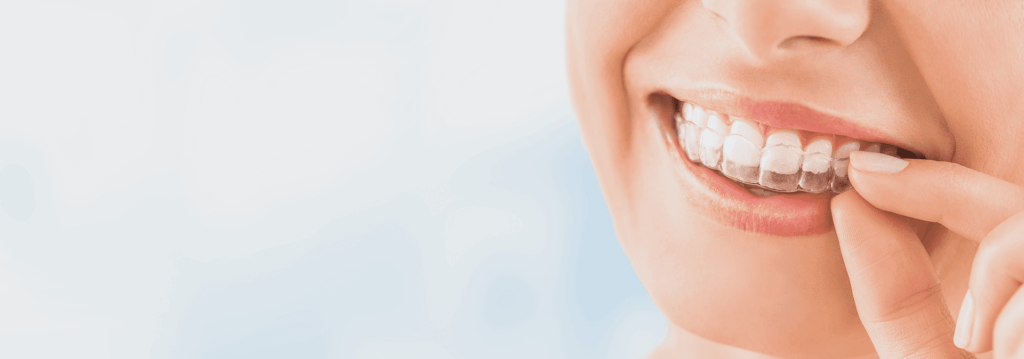
Clear aligners represent a significant advancement in orthodontic treatment, offering remarkable advantages over traditional metal braces for teeth straightening. These custom-made, transparent devices work progressively to shift teeth into their optimal positions, providing a discrete alternative to conventional orthodontic approaches.

The Science Behind the System

The process begins with detailed 3D imaging of the patient’s dental structure, allowing practitioners to create a precise treatment plan. Each set of aligners is carefully designed to make incremental adjustments to tooth positioning, with patients typically wearing each set for approximately two weeks before progressing to the next stage.

Key Benefits of Modern Aligners

Aesthetic Advantages

One of the most compelling reasons for choosing clear aligners is their near-invisible appearance. The transparent nature of Invisalign aligners allows for discreet teeth straightening, making them particularly appealing to professionals and adults who wish to maintain a polished appearance throughout their treatment.

Practical Considerations

The removable nature of clear aligners presents several practical advantages:

  • Easy maintenance and cleaning
  • No dietary restrictions
  • Comfortable wear during daily activities
  • Simplified oral hygiene routine

Health and Wellness Impact

Beyond the cosmetic benefits, proper dental alignment contributes significantly to overall oral health. Straight teeth can improve oral hygiene, reduce wear patterns, and enhance bite functionality. When teeth are properly aligned, patients often experience:

  • Reduced risk of periodontal disease
  • Decreased likelihood of tooth decay
  • Improved speech clarity
  • Enhanced chewing efficiency

Treatment Planning and Progress

The journey with clear aligners begins with a comprehensive consultation. Modern dental practices utilise advanced scanning technology to create detailed treatment plans, allowing patients to visualise their projected results before commencing treatment. This technological approach ensures that those seeking Invisalign receive highly personalised care tailored to their specific dental needs.

Monitoring and Adjustments

Throughout the treatment process, dental professionals carefully monitor progress through regular check-ups. These appointments ensure that teeth are moving according to plan and allow for any necessary adjustments to the treatment schedule. The flexibility of the system means that modifications can be made easily if required.

Lifestyle Integration

Clear aligners are designed to seamlessly integrate into modern lifestyles. Patients can maintain their usual activities without the concerns often associated with traditional orthodontic treatments. Whether attending important meetings, social gatherings, or special events, the discrete nature of clear aligners ensures confidence throughout the treatment journey.

Maintenance Requirements

Proper care of clear aligners involves:

  • Regular cleaning with appropriate solutions
  • Storing aligners in their case when not in use
  • Maintaining good oral hygiene practices
  • Following prescribed wear times

Looking Ahead: The Future of Dental Alignment

The field of orthodontics continues to evolve, with clear aligner technology at the forefront of innovation. As scanning technology becomes more sophisticated and manufacturing processes more refined, patients can expect even more precise and efficient treatment options.

Achieving Optimal Results

Success with clear aligners largely depends on patient compliance and commitment to the treatment plan. When followed correctly, the system offers predictable results and a comfortable path to achieving optimal dental alignment. The investment in one’s smile through this modern approach to orthodontics represents a commitment to both oral health and personal confidence. For those considering orthodontic treatment, clear aligners represent a sophisticated solution that combines aesthetic appeal with practical functionality. As more individuals discover the benefits of this modern approach to dental alignment, the technology continues to advance, offering increasingly refined solutions for achieving the perfect smile.